What size electrical panel your Atlanta home needs is a question that comes up constantly, whether you are upgrading an older property, finishing a basement, adding an EV charger, or simply trying to understand why your breakers keep tripping. The answer is not one-size-fits-all. It depends on your home’s square footage, the appliances you run, how you use energy day to day, and what additions you are planning for the future. At Bray Electrical Services, we help Atlanta homeowners work through exactly this question every week, and this guide covers everything you need to make a confident, informed decision. If your home already has an aging panel and you are noticing issues, our post on getting to know your electrical panel is a helpful companion read.

What Does Electrical Panel Size Actually Mean?
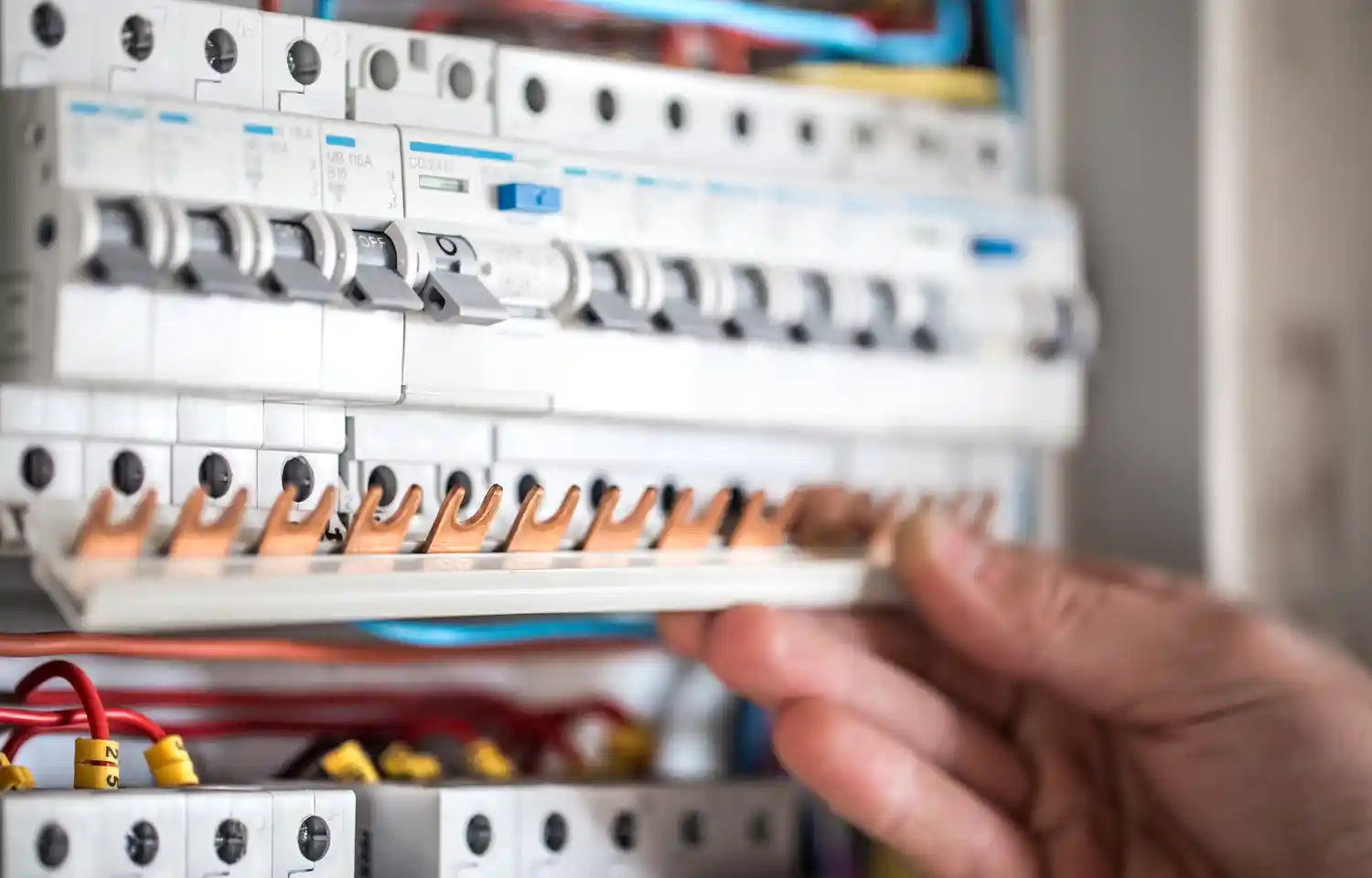
Your electrical panel, also called a breaker box or load center, controls the flow of electricity from the utility line into every circuit in your home. Panel size refers to its amperage rating, which determines the maximum amount of electrical current it can safely deliver to your home at any given time.
Think of amperage like water pressure in a pipe. A larger pipe allows more water to flow through without strain. A higher amperage panel allows more electricity to flow through your home’s circuits without overloading the system. When the demand from your appliances and devices consistently approaches or exceeds the panel’s rated capacity, you get tripped breakers, flickering lights, and in worst-case scenarios, overheating that can lead to electrical fires.
Residential electrical panels in Atlanta homes most commonly come in four sizes: 60 amp, 100 amp, 200 amp, and 400 amp. Each serves a different range of homes and usage profiles, and understanding the differences is the starting point for figuring out what your home actually needs.
Breaking Down Each Panel Size for Atlanta Homeowners
60 Amp Panel
A 60 amp panel is severely outdated by modern standards and is no longer permitted in new construction anywhere in the Atlanta area. These panels are found almost exclusively in older homes built before the 1960s that have never had their electrical service updated. A 60 amp service cannot safely support central air conditioning, an electric range, a washer and dryer, and everyday lighting and devices running simultaneously. If your home still has a 60 amp panel, upgrading is not optional. It is a safety necessity.
100 Amp Panel
A 100 amp panel is the minimum service size recognized by the National Electrical Code for a residential property. For smaller Atlanta homes under 1,500 square feet with gas heating, a gas range, and modest appliance use, 100 amps can be adequate. However, the moment you introduce central electric heat, a large central air conditioning system, an EV charger, or a home office with significant equipment, 100 amps becomes a constraint.
Many Atlanta homeowners with 100 amp service find themselves running out of available breaker slots long before they run out of things they need to power. If your 100 amp panel is already full and your household needs are growing, an upgrade is the right move rather than trying to squeeze more into an undersized box.
200 Amp Panel
A 200 amp panel is the standard for new home construction in Atlanta and the right target for the vast majority of existing homes that need an upgrade. It provides enough capacity to comfortably handle central air conditioning, electric appliances, a home office, smart home systems, security cameras, an EV charger, and still have room to grow. For homes between 1,500 and 3,000 square feet, a 200 amp panel will meet current needs and leave meaningful headroom for future additions.
Most electricians and local building departments in Atlanta will recommend 200 amp service as the baseline for any home that is being substantially updated. It is also the minimum that most EV charger manufacturers and solar installers require before proceeding with their work.
400 Amp Panel
A 400 amp panel, or dual 200 amp service, is designed for larger Atlanta homes above 3,500 square feet, homes with significant power demands like hot tubs, pool equipment, whole home generators, multiple EV chargers, or large workshops, and properties that are being converted from gas to all-electric systems. It is also increasingly chosen by forward-thinking homeowners who want to future-proof their electrical infrastructure for technologies that are still emerging.
While 400 amp service is overkill for a typical Atlanta residence, it is genuinely the right call for a specific segment of larger, higher-demand homes. Your electrician should be able to calculate your actual load requirements and tell you definitively whether this level of service makes sense for your situation.

Factors That Determine the Right Panel Size for Your Atlanta Home
Choosing the right panel size is not just about square footage. Several factors combine to determine what your home genuinely needs, and a professional load calculation takes all of them into account.
- Home size and number of circuits: Larger homes require more circuits to serve more rooms, and more circuits demand more panel capacity. A four-bedroom home with three bathrooms, a finished basement, and a two-car garage needs significantly more breaker slots and total amperage than a two-bedroom cottage.
- Heating and cooling system type: Homes with electric heat are among the highest draw residential properties. A large electric heat pump system or multiple electric HVAC units can consume a substantial portion of a 100 amp panel’s capacity all on their own, leaving little room for everything else.
- Major appliances and their fuel source: An all-electric kitchen with an induction range, double wall ovens, and an electric water heater requires considerably more electrical capacity than a gas-forward kitchen. As more Atlanta homeowners switch from gas to electric appliances, their panel needs to grow accordingly.
- Electric vehicle charging: A Level 2 EV charger typically draws between 32 and 48 amps continuously during a charging session. Adding one to a home that is already running near its panel’s capacity is not possible without an upgrade. Homes planning for two EVs need to plan for that load from the start.
- Solar panel systems: Installing a solar array requires your panel to handle not just the home’s consumption but also the bidirectional flow of energy from the solar inverter. Most solar installers in Atlanta require a 200 amp panel as a prerequisite.
- Home office or workshop equipment: Dedicated home offices with multiple monitors, laser printers, NAS drives, and networking gear add meaningful load. Woodworking shops, garages with lifts, or hobby spaces with compressors and power tools often require dedicated circuits and increased overall capacity.
- Future renovation plans: If you are planning a kitchen remodel, an accessory dwelling unit, a finished basement, or an addition in the next few years, factoring those future loads into your panel sizing decision today avoids the cost and disruption of upgrading twice.
Signs Your Current Panel Is Already Too Small
Your home will often signal that its panel is undersized long before anything fails dramatically. These are the most common indicators that your Atlanta home has outgrown its current electrical panel.
- Breakers trip regularly: Especially when running multiple appliances at the same time, frequent tripping means your panel is being pushed beyond its comfortable operating range.
- You rely heavily on power strips and extension cords: This often points to a shortage of available outlets, which traces back to too few circuits, which traces back to a panel with no room left to grow.
- The panel is completely full: A breaker box with no open slots cannot accommodate new circuits for new appliances or rooms without creative and often risky workarounds like tandem breakers that may not be rated for the panel.
- Lights dim when appliances start: When high-draw appliances pull current on startup, the momentary voltage drop that dims your lights is a sign your panel and circuits are operating with little margin to spare.
- Your panel is original to a pre-1980s home: If your Atlanta home was built before 1980 and the panel has never been replaced, it almost certainly cannot meet the electrical demands of a modern household regardless of what size it was originally rated at.
Getting the Right Answer for Your Specific Home
The most reliable way to determine what size electrical panel your Atlanta home needs is a professional load calculation performed by a licensed electrician. This calculation adds up the actual amperage draw of every significant load in your home, applies the appropriate demand factors from the National Electrical Code, and arrives at a minimum service size that reflects your real-world usage rather than a general estimate.
General guidance is useful for planning conversations, but a load calculation is what determines the right answer for your specific home, your specific appliances, and your specific plans. Skipping this step and guessing can result in either undersizing, which leaves you upgrading again in a few years, or oversizing, which means spending more than necessary on panel capacity you will never use.
At Bray Electrical Services, we perform thorough electrical assessments for Atlanta homeowners before recommending any panel work. We take your current usage and your future plans seriously and give you a recommendation you can trust. To find out more about our panel services and how we approach upgrades from start to finish, visit our electrical panel replacement service page.
What to Expect During a Panel Upgrade in Atlanta
Once you know what size panel you need, understanding the upgrade process helps you plan realistically. In Atlanta, a panel upgrade begins with permit approval from your local jurisdiction. No legitimate electrician should proceed without pulling this permit, as uninspected panel work can void your homeowners insurance and create serious liability.
Your utility company will schedule a brief disconnection of service so the work can be performed safely. The old panel is removed, the new panel is installed, all circuits are reconnected and properly labeled, and a local inspector verifies the work meets current code before service is restored. A standard panel upgrade in Atlanta typically takes one full day for an average-sized home.
In many cases, upgrading from 100 amp to 200 amp service also involves updating the service entrance, the meter base, and the grounding system to meet current Georgia electrical code requirements. Your electrician should walk you through exactly what the scope includes before any work begins.

Final Thoughts
Knowing what size electrical panel your Atlanta home needs comes down to understanding your current load, your growth plans, and the honest limitations of what you already have. For most Atlanta homes, a 200 amp panel represents the right balance of capacity, cost, and future readiness. Larger or higher-demand properties may need more, and a professional load calculation is the only reliable way to confirm the correct answer for your situation.
Bray Electrical Services is proud to help Atlanta homeowners make this decision with confidence. Whether you are trying to figure out your current panel’s limitations or are ready to schedule an upgrade, our team is here with the experience and local knowledge to get it done right. Contact us today to schedule your assessment.