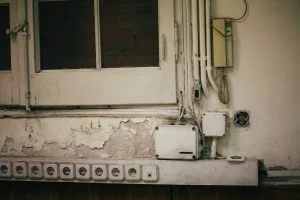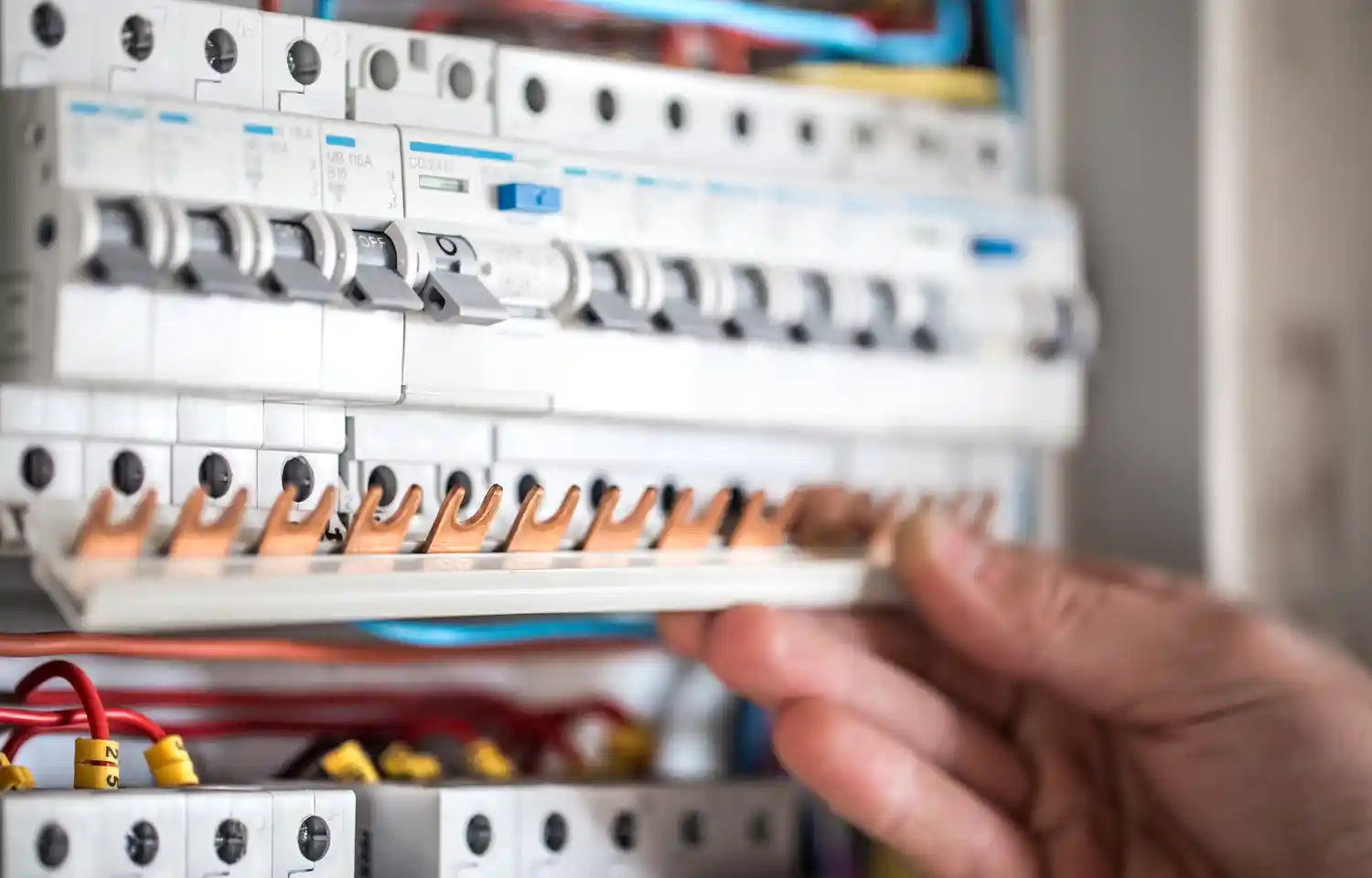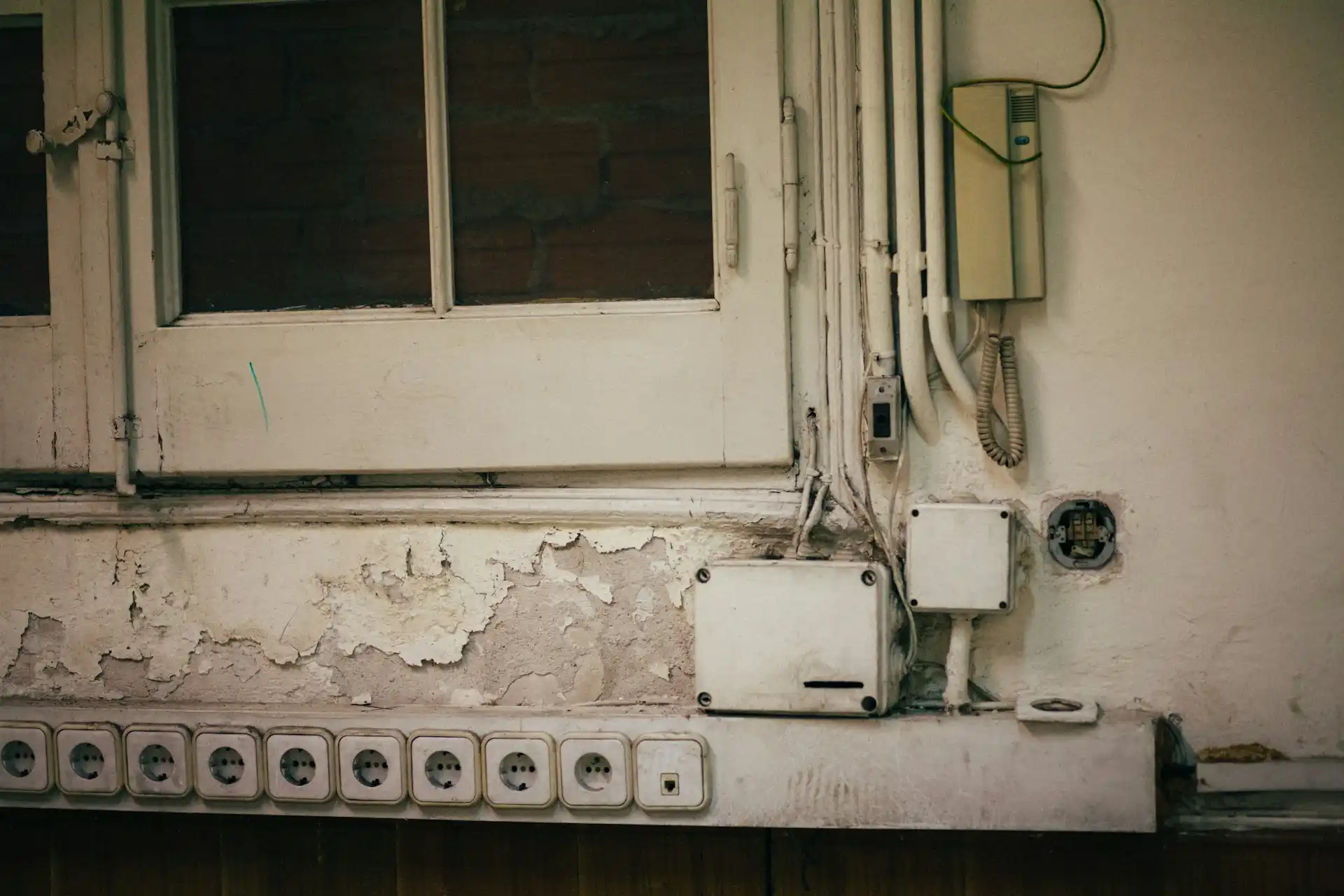
Outdated electrical wiring in older Atlanta homes is one of the most overlooked safety hazards a homeowner can face. Atlanta has a rich stock of older properties, from charming craftsman bungalows in Kirkwood to mid-century ranches in Decatur, and many of them are still running on wiring systems that were never designed to handle the electrical demands of modern life. The problem is that wiring lives inside your walls where you cannot see it, which means the warning signs often go unnoticed until something goes wrong. At Bray Electrical Services, we work with older Atlanta homes every week, and we know exactly what to look for. This guide walks you through the most important signs that your home’s wiring may be past its safe service life and what to do about it. For helpful background on how older systems compare to modern standards, our post on older electrical systems provides a solid foundation before diving into the details here.

Why Older Atlanta Homes Carry Higher Electrical Risk
Atlanta’s housing stock includes a large number of homes built between the 1920s and the 1970s. During those decades, electrical codes were far less stringent than they are today, and the wiring materials and methods used were designed for a much simpler lifestyle. The average household in 1955 ran a handful of appliances. Today that same home might need to power two refrigerators, a washer and dryer, a home office, an EV charger, central air conditioning, a dishwasher, and dozens of always-on devices simultaneously.
When wiring that was designed for a fraction of today’s load is asked to carry that kind of current day after day, it degrades faster, runs hotter, and eventually becomes a genuine fire hazard. The National Fire Protection Association consistently identifies electrical failures and faults as one of the leading causes of home fires nationally, and older wiring is a primary contributor.
Understanding what type of wiring your home has and recognizing the warning signs of a system under stress are the first steps toward protecting your family and your property.
Types of Outdated Wiring Commonly Found in Older Atlanta Homes
Before identifying the warning signs, it helps to understand the types of wiring that raise the most concern in Atlanta’s older housing market.
- Knob and tube wiring: Used from roughly the 1880s through the 1940s, knob and tube wiring consists of individual insulated copper conductors running through ceramic knobs and tubes. It has no ground wire, which means it cannot support three-prong outlets or protect modern appliances from power surges. The insulation on knob and tube wiring also becomes brittle and cracks with age, creating serious fire and shock risks.
- Aluminum branch circuit wiring: During the 1960s and 1970s, aluminum was used as a cheaper substitute for copper in residential branch circuit wiring. Aluminum expands and contracts more than copper with temperature changes, causing connections to loosen over time. Loose connections generate heat, and that heat buildup at outlets, switches, and junction boxes is a leading cause of electrical fires in homes of that era.
- Early plastic sheathed wiring (pre-1960s): Some homes from the 1940s and 1950s have early forms of plastic-sheathed cable that is now decades past its expected service life. The insulation deteriorates and becomes fragile, especially in areas exposed to heat or pests.
- Two-wire ungrounded systems: Many Atlanta homes built before the 1960s have two-wire systems with no grounding conductor. Without a ground, sensitive electronics are unprotected and the home cannot accept modern three-prong outlets without modification. This also prevents the installation of GFCI protection in the proper manner.
Warning Signs of Outdated Electrical Wiring to Watch For
Even if you do not know what type of wiring runs through your walls, your home will often give you clues that something is not right. These are the most common signs that your older Atlanta home may have outdated wiring that needs professional attention.
- Frequent tripped breakers or blown fuses: If your system regularly trips breakers or blows fuses when running everyday appliances, the wiring is likely undersized for your current load. Older circuits were designed for much lower draw and cannot safely carry what modern households need.
- Outlets and switches that feel warm to the touch: Heat around an outlet or switch plate is never normal. It signals that the wiring behind it is carrying more current than it can safely handle or that connections have loosened over time. Either situation warrants immediate inspection.
- Flickering or dimming lights: If your lights flicker when the air conditioner kicks on or dim noticeably when you run the microwave, your circuits are struggling to deliver consistent power. This often points to deteriorating wiring or connections that are no longer making solid contact.
- A persistent burning or unusual smell: Any smell of burning plastic, rubber, or something electrical coming from walls, outlets, or your electrical panel should be treated as an emergency. This can indicate wiring insulation that is overheating or actively burning inside the wall.
- Discolored, charred, or cracked outlets: Scorch marks or yellowing around outlet covers are signs that arcing or heat damage has already occurred. These are not cosmetic issues. The damage extends behind the wall and indicates a wiring problem that needs to be addressed right away.
- Two-prong outlets throughout the home: If your home has predominantly two-prong, ungrounded outlets, the underlying wiring system lacks a ground conductor. This is a strong signal that the wiring dates back several decades and likely needs a thorough evaluation.
- Circuit breakers that will not stay reset: A breaker that trips and will not hold its reset position is telling you that a fault condition exists on that circuit. Do not continue resetting it. This is a sign the circuit needs to be inspected before it is put back into service.
- Visible old wiring in the basement or attic: If you can see cloth-wrapped wires, ceramic knobs, or porcelain tubes in your attic, basement, or crawl space, your home almost certainly has knob and tube wiring still in service. Even if it appears intact to the eye, it should be evaluated by a licensed electrician.

How Outdated Wiring Affects Your Home Insurance in Atlanta
Many Atlanta homeowners do not realize that the type of wiring in their home directly affects their ability to obtain or maintain homeowners insurance. Insurance carriers are well aware of the risks associated with knob and tube and aluminum branch circuit wiring, and their policies reflect that.
Some insurers will outright refuse to write a new policy on a home with knob and tube wiring still in active use. Others may offer coverage but at significantly higher premiums to account for the elevated fire risk. In some cases, carriers require a licensed electrical inspection and may mandate updates before coverage takes effect or renews.
If you are purchasing an older Atlanta home, it is worth verifying the wiring type during the inspection process and confirming coverage availability before closing. If you already own an older home and have not had the wiring assessed recently, now is a good time to get that clarity.
What to Do If Your Atlanta Home Has Outdated Wiring
If you recognize any of the warning signs above or know your home still has its original wiring from several decades ago, the right first step is a professional electrical inspection. A licensed electrician can evaluate exactly what type of wiring is present, identify any immediate hazards, and give you an honest assessment of what the home needs.
Depending on what the inspection uncovers, the recommended course of action may range from targeted repairs and circuit additions to a partial or full rewire of the home. Not every older home requires a complete rewire, but homes with active knob and tube wiring or widespread aluminum branch circuits typically do benefit most from a comprehensive approach.
It is also worth knowing that rewiring and wiring upgrades can often be staged in phases if budget is a concern. A licensed electrician can prioritize the highest-risk areas first and develop a plan that addresses the full scope over time without leaving your family in an unsafe situation in the meantime.
Bray Electrical Services specializes in evaluating and upgrading wiring in older Atlanta homes. We approach every inspection honestly, explain what we find in plain terms, and recommend only what your home genuinely needs. To learn more about our wiring services and how we handle residential electrical work from assessment through completion, visit our electrical wiring service page for full details.
Choosing a Qualified Electrician for Older Atlanta Homes
Working on wiring in older Atlanta homes requires more than general electrical knowledge. The electrician you hire should have specific experience with the wiring types and code compliance challenges that come with properties of that age. They should be licensed and insured in Georgia, comfortable pulling permits for inspection-required work, and able to explain what they find without talking over your head.
Before hiring anyone, ask directly about their experience with knob and tube or aluminum wiring remediation in Atlanta. Ask whether they handle the permit process on your behalf and what their approach is to minimizing wall damage when running new circuits through finished spaces. A contractor who cannot answer these questions confidently is not the right fit for older home electrical work.
Bray Electrical Services has extensive experience working in Atlanta’s older housing stock. We treat every older home with the care and attention it deserves, and we stand behind our work with the proper permits, inspections, and workmanship standards that protect you long after the job is done.

Final Thoughts
Outdated electrical wiring in older Atlanta homes is a problem that does not improve with time. The longer aging wiring stays in service under the demands of modern living, the greater the risk of overheating, arcing, and fire. Recognizing the warning signs early and acting on them with the help of a licensed professional is the most reliable way to keep your home safe and your family protected.
Whether your home is showing obvious signs of trouble or you simply have not had an electrical inspection in years, Bray Electrical Services is here to help. Contact us today to schedule a professional assessment and get a clear, honest picture of where your home’s wiring stands.